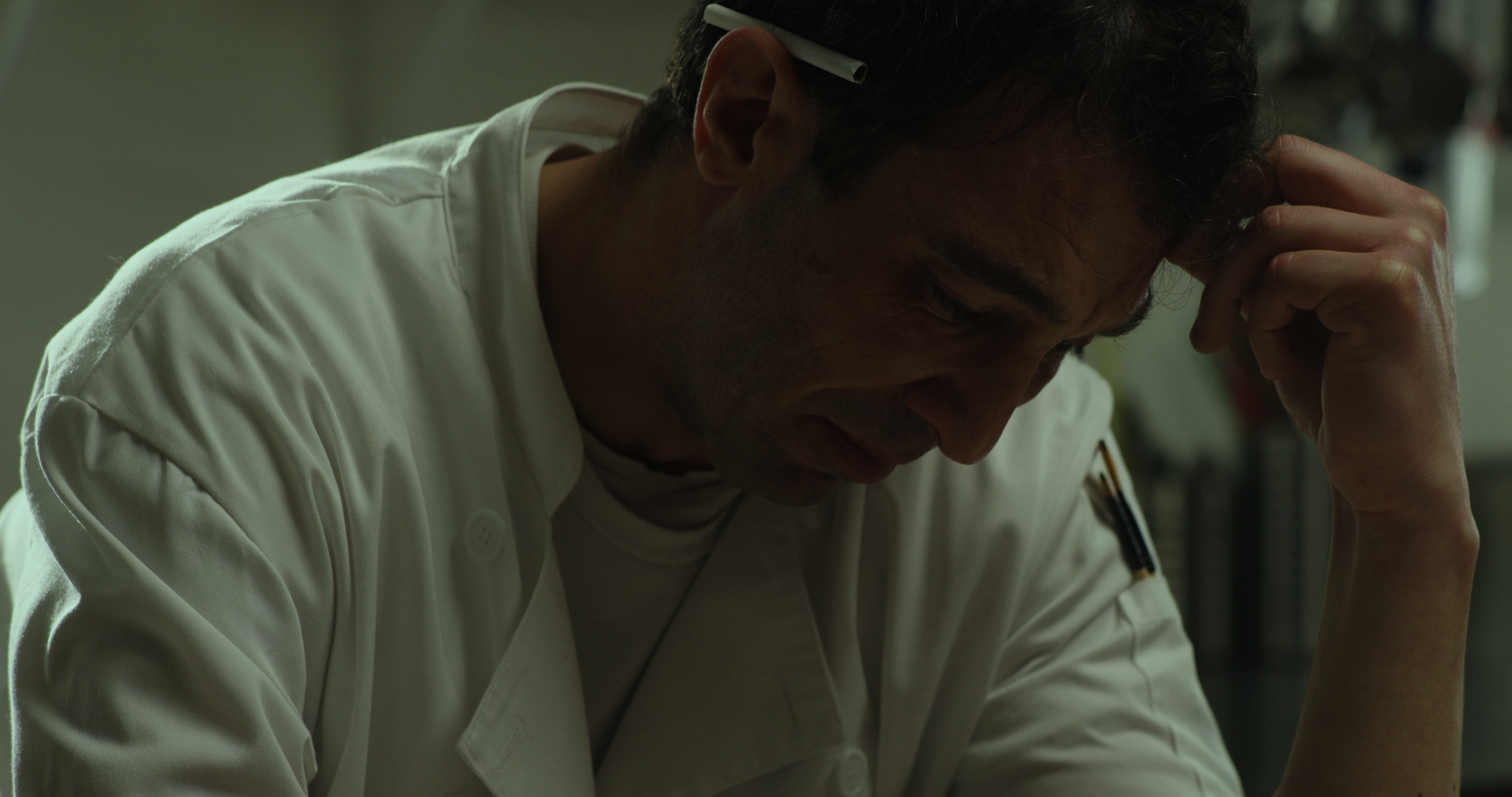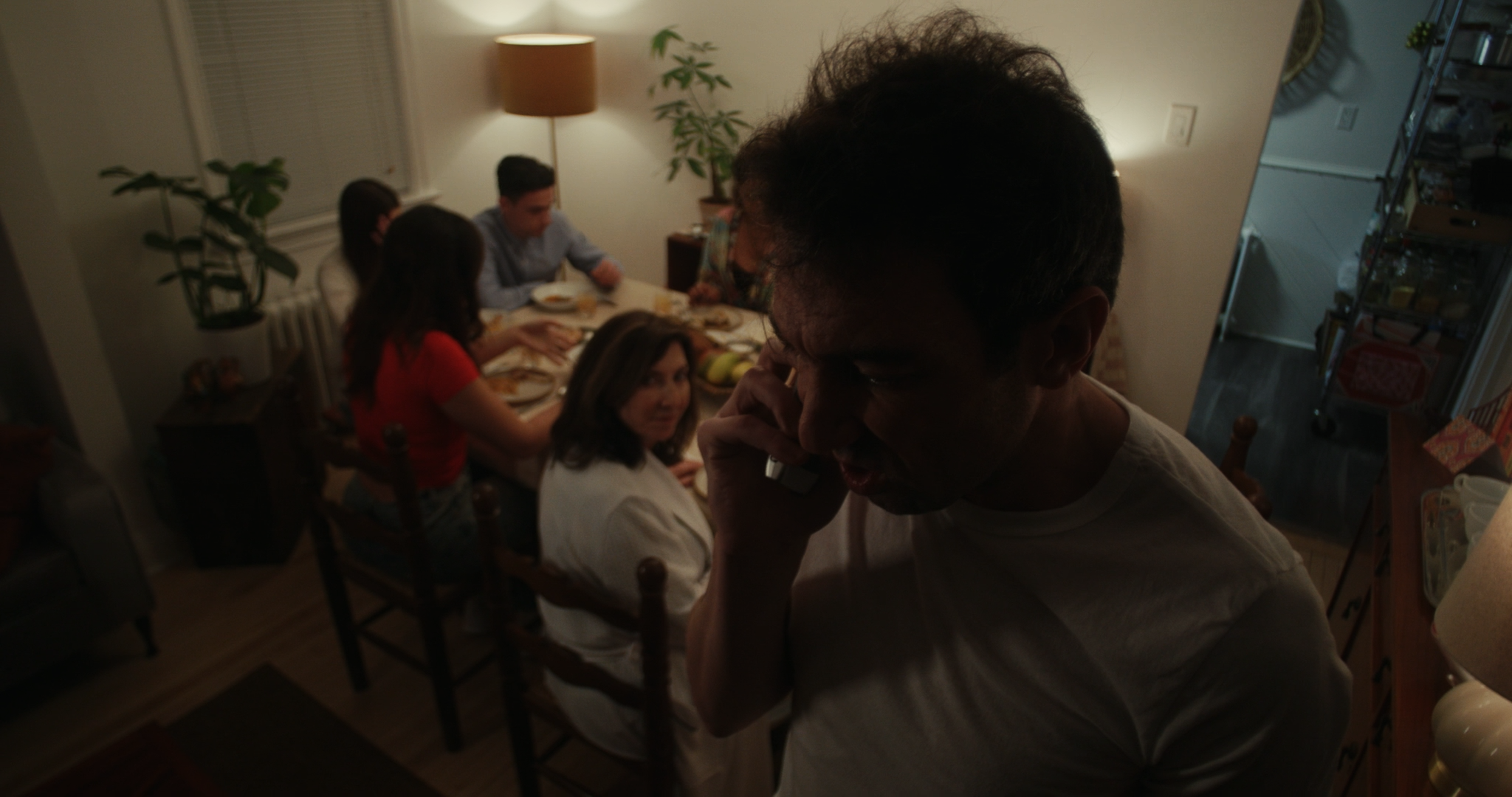
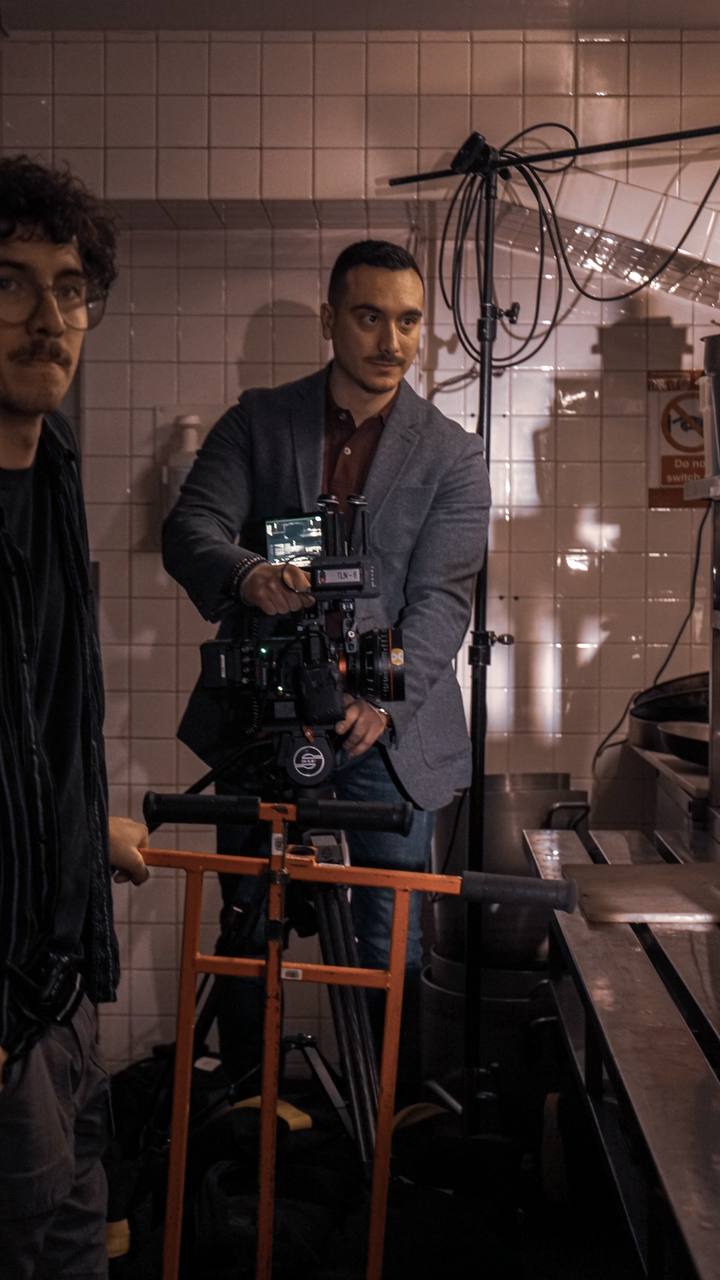
When Sarracco Studios asked me to DP WHIP CREAM, I felt it immediately. That knot in your stomach when you say yes to something bigger than anything you've done before. I'd never been responsible for a crew this size. I'd never carried the image for a full TV series. The year prior, I'd shot 1994 — a smaller TV movie. That gave me just enough confidence to say yes. But I knew this was different.
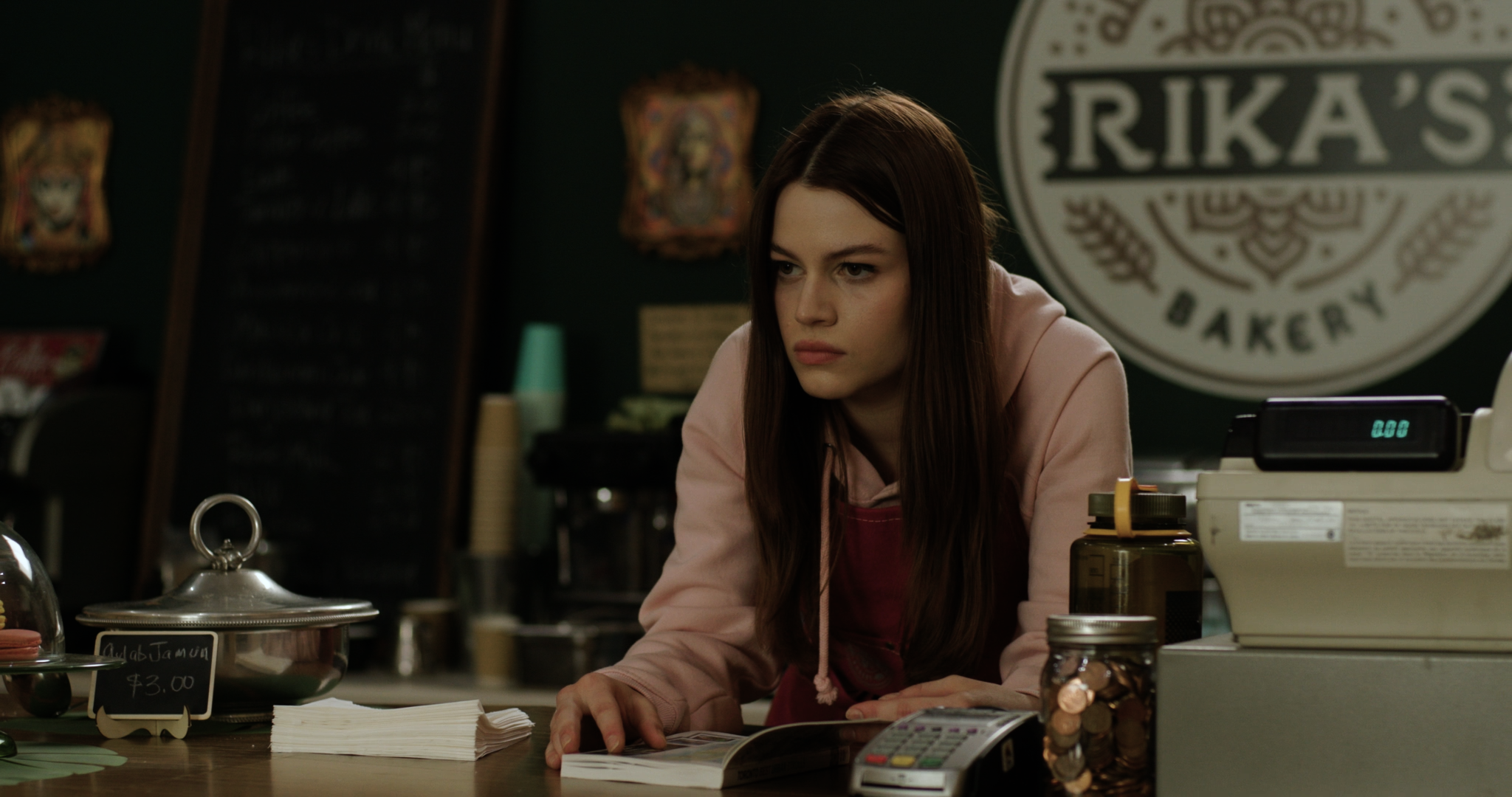
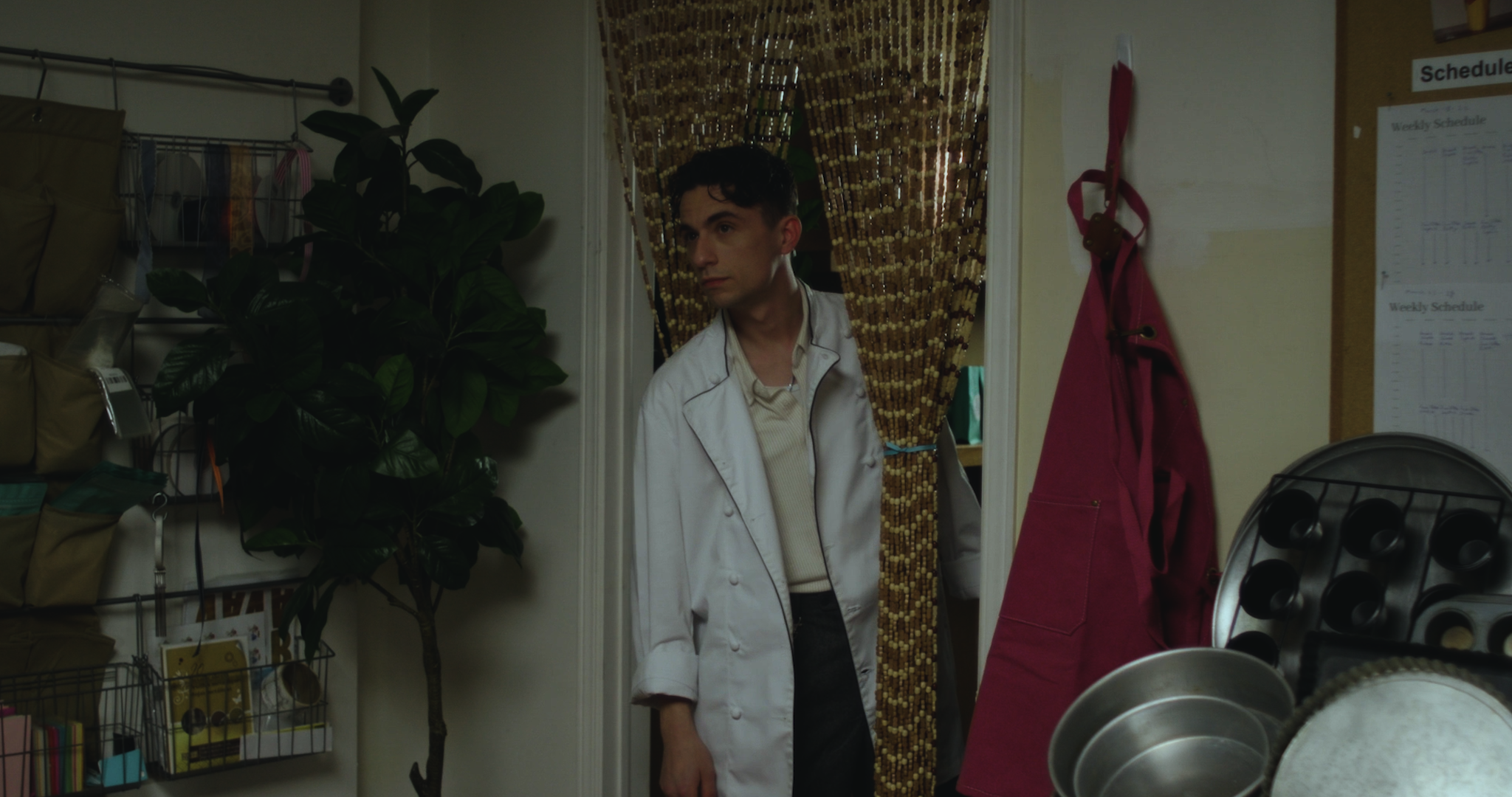
I was told early on that The Sopranos was an inspiration in the writers' room. So I started studying it — not the plot, not the performances, the cinematography. What was the camera saying? When did it move, and when did it stay still? I realized a big part of its genius was restraint. The image knew how to stay out of the way. And then, on the rare occasion when it demanded attention, it earned it. The frame spoke in symbols — colors, objects, composition, all carrying meaning. I wanted to bring that same language to WHIP CREAM.
The Math Problem
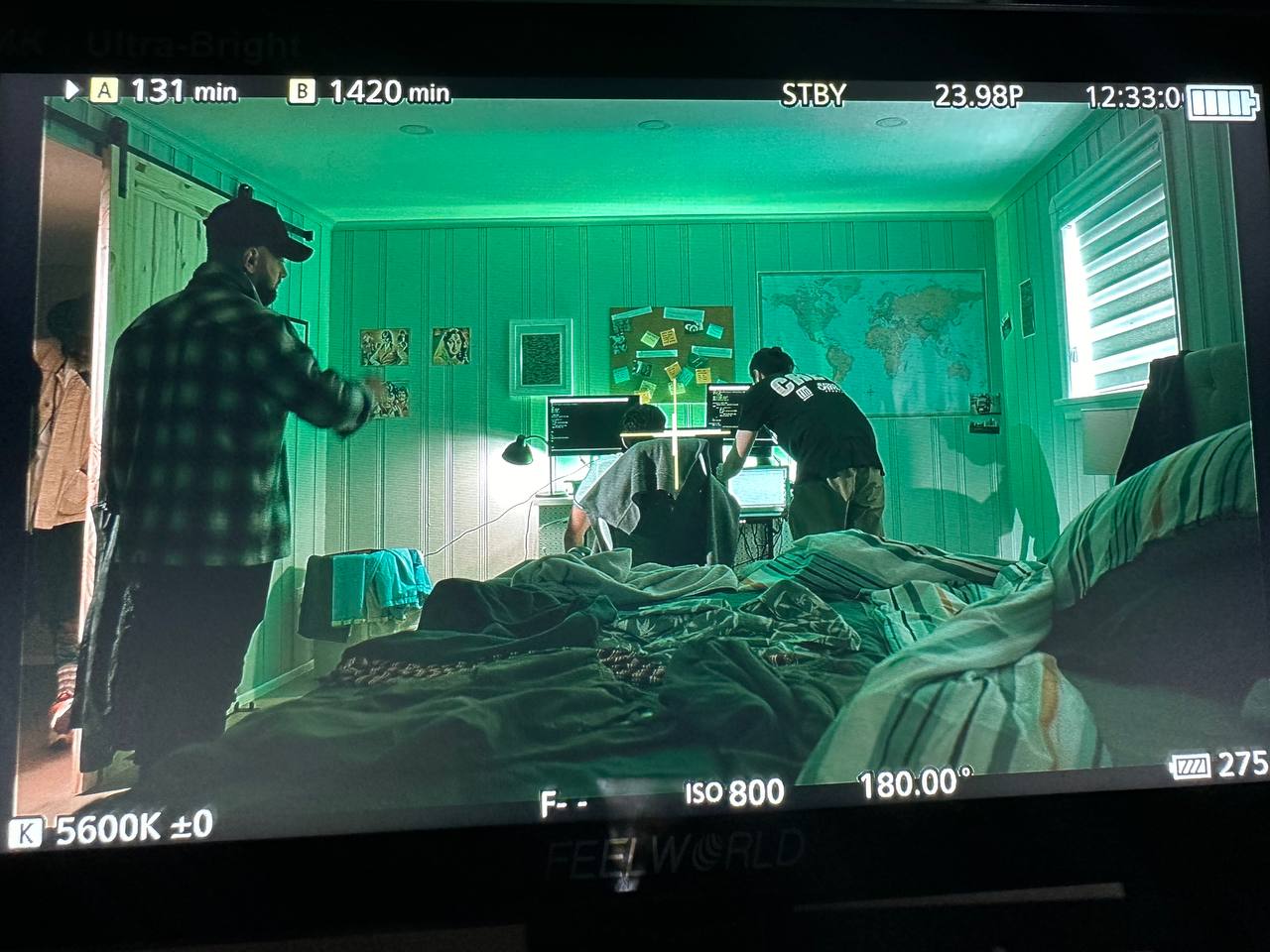
Five weeks. Three, sometimes four scenes a day. Different locations every time. An hour, maybe an hour and a half, to light, set up, and block camera — per scene. That's the reality of television.
5
WEEKS
3-4
SCENES PER DAY
1hr
PER LIGHTING SETUP
Months of shot planning, lighting diagrams, camera movement ideas, creative setups — all of it had to be condensed five-fold to match the schedule. And you can't just erase the ideas. You have to figure out which ones survive. Which ones actually serve the story. Which ones you're holding onto because they'd look impressive, not because the scene needs them.
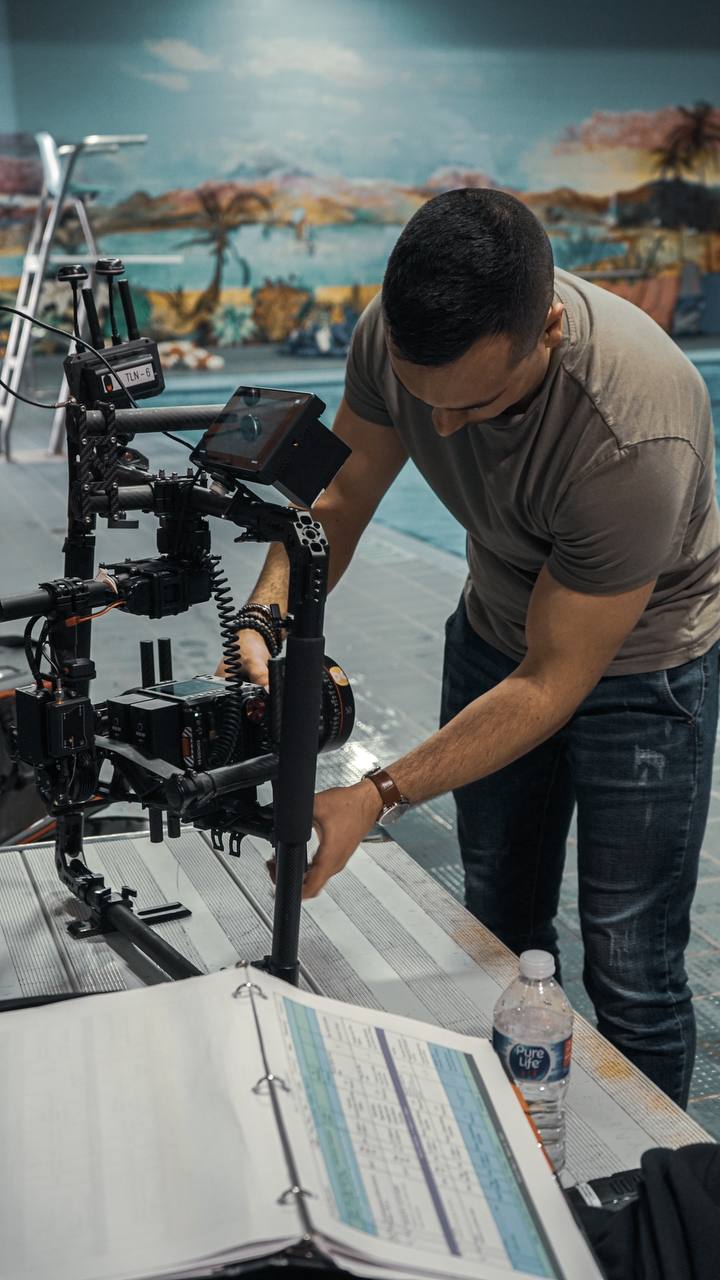
Every scene started the same way: a production meeting right there on set. Anthony would block the actors. I'd watch, take notes in my shoot bible, and begin placing lights according to where I wanted the camera to be — guided by what his blocking had just shown me. A lot of the time, it was my first visit to that set. There was no advance scout, no pre-light day. I had to stand on my toes and be ready for whatever the room gave me.
"I had to figure out which ideas survive. Which ones actually serve the story. Which ones I was holding onto because they'd look impressive, not because the scene needs them."
The Gear: Canon C50 + Contax Zeiss Primes
We shot on the Canon C50 with Contax Zeiss prime lenses. The Contax glass has a particular quality — sharp without being clinical, a gentle roll-off in the highlights, and a texture that feels organic rather than digital. For a show that needed to feel lived-in, like the audience was sitting at the table with the characters, those lenses were the right choice.
The C50 gave us a compact cinema workflow without the footprint of a larger rig. On a schedule this tight, the camera had to be ready when I was. No waiting on builds, no troubleshooting in front of the crew. It just worked.
CAMERA
Canon C50
Compact cinema workflow. Ready when I was. No troubleshooting in front of the crew.
LENSES
Contax Zeiss Primes
Sharp without being clinical. Organic texture. Gentle highlight roll-off.
What the Camera Should Say
The Sopranos taught me something I carried into every scene on WHIP CREAM: the best cinematography often says nothing. It just is. It creates a space where the performances can live. And then, when the moment is right, it speaks — a push-in that tightens the room, a composition that isolates a character, a color that signals something the dialogue hasn't said yet.
Anthony Sarracco knows comedy deeply. He knows how to write it, how to direct actors in it like a drama, how to find the truth inside the joke. My job wasn't to make things "look funny." It was to create a visual world real enough that the comedy landed naturally — because the characters felt like people you knew, in rooms you recognized.
I was new to this scale of production. I'm not going to pretend otherwise. But I was prepared. Studious. Humble enough to know what I didn't know, and confident enough in what I did. Every hour of prep before the shoot, every late night adding shots to the shot list and re-reading the script to make sure I had the entire thing properly mapped out. I knew time would be tight, so I wrote down every single shot needed to make each scene work. My thinking was: this is the bare minimum for a GOOD scene. Once we're on set and start to play — once the magic starts flying — that's when the GREAT stuff reveals itself. It can come from a location. A prop. A look from a character. The way one line is said. A ray of light creeping in from outside. A suggestion from the director. On set, we were all part of something that COULD happen. Unfortunately, we rarely had time to reach that. Most days, we only had time for the bare minimum. Very little play time. That was the reality. But I learned to make the bare minimum feel intentional — to treat every shot as if it was the only one that mattered, because sometimes it was. Every page in my shoot bible, every hour of prep — it all went into those five weeks.
WHIP CREAM is now streaming on TLN. If you're producing a series and need a DP who'll treat your image with the care it deserves — reach out.
— Michael Franceschini, CSC Associate Cinematographer