I've shot documentaries in Italian monasteries, boxing gyms, and Toronto pastry shops. The camera that works in a controlled studio often fails in the field. Here's what I've learned about choosing the right tool for documentary work — no brand loyalty, no spec-sheet worship, just real-world experience.
What Documentary Cameras Actually Need
Forget resolution wars. For documentary, what matters is:
1. Reliability. Your camera cannot overheat, crash, or drop frames when the subject is saying the most important thing they'll say all day. I've had cameras fail in 35°C Italian summers. Never again.
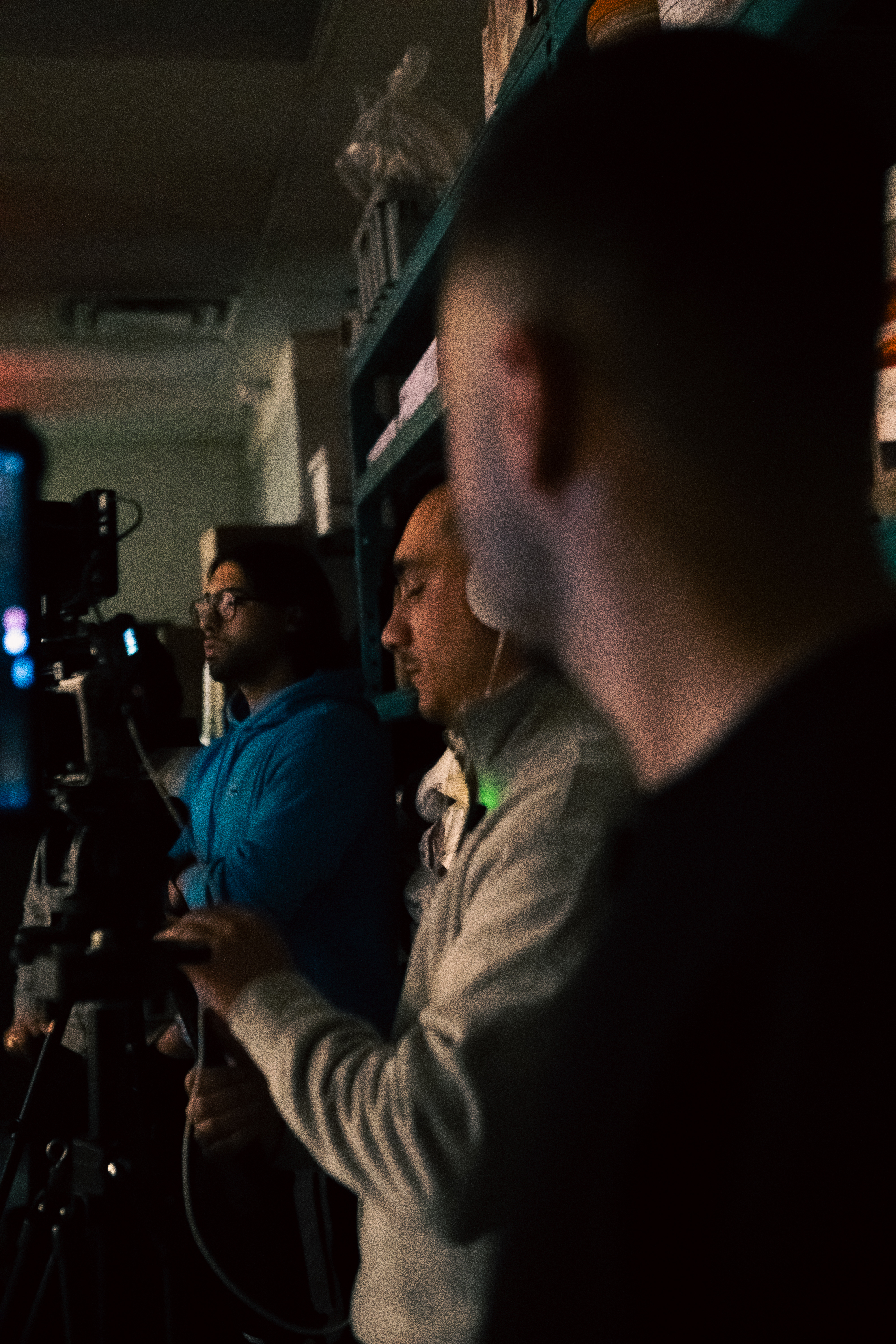
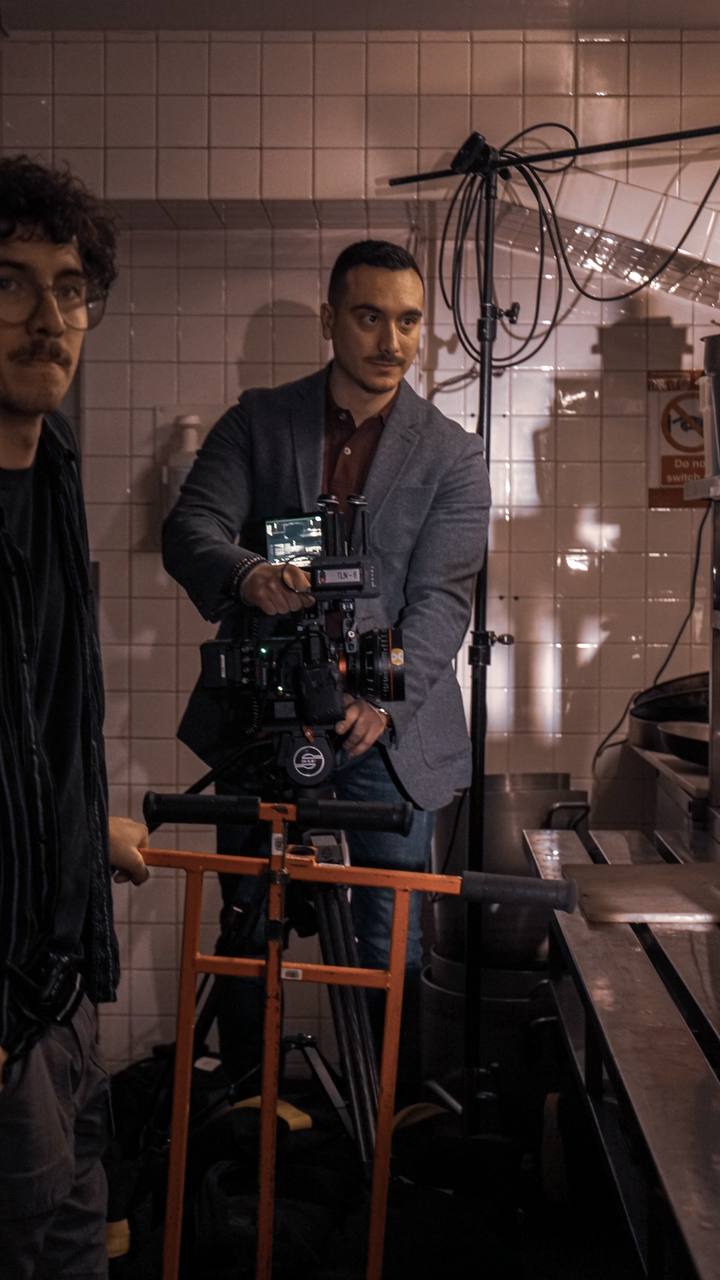
2. Low-light performance. Documentary means real locations, not built sets. You're shooting in churches, basements, back rooms of restaurants. You can't always bring a full lighting package — and sometimes you don't want to, because lights change the energy of a documentary interview.
3. Ergonomics for long days. A documentary shoot isn't a 10-hour commercial day. It's often 14 hours of run-and-gun, shoulder-mounted, no-assistant, no-cart, no-lunch-break filmmaking. The camera needs to disappear in your hands.
4. Audio capability. At minimum, two XLR inputs with good preamps. You're often recording without a sound person. The camera needs to handle it.
5. Media and battery life. Changing batteries or cards mid-interview is a documentary sin. You need at least 90 minutes of continuous recording without interruption.
What I Actually Shoot With
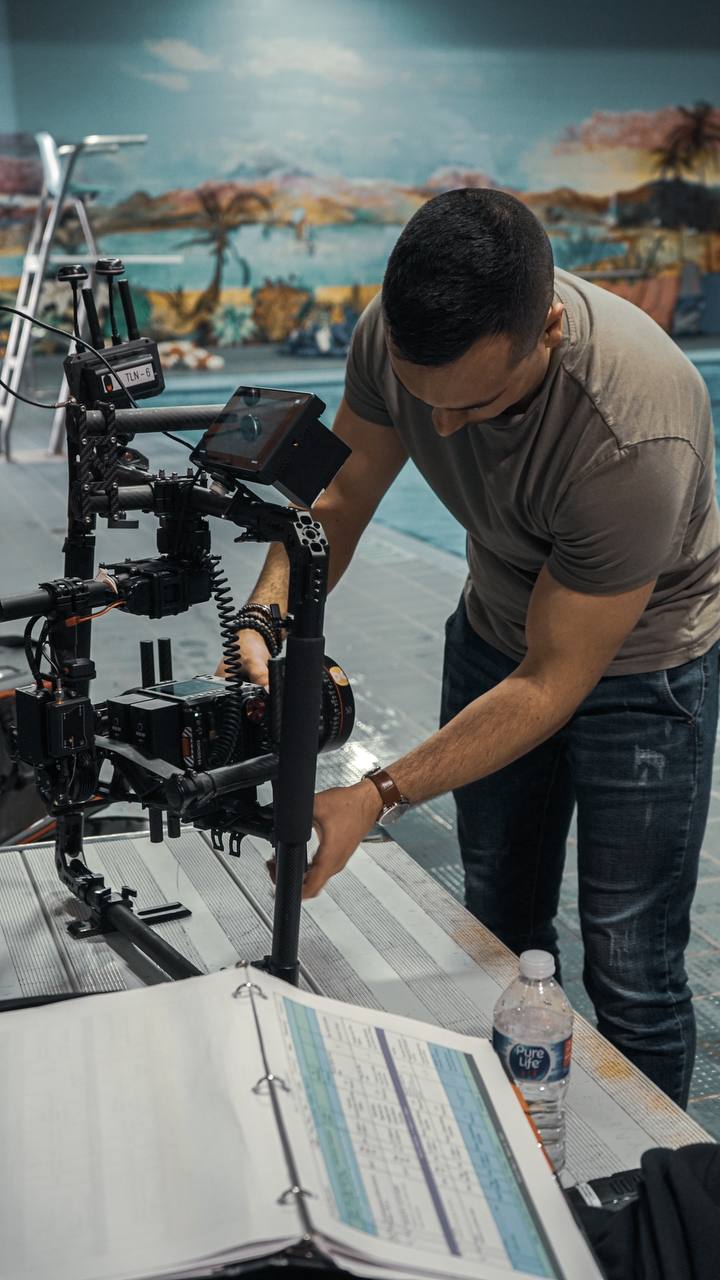
On PADRE PIO and LAND OF THORNS, I shot on the Sony A7S II with Canon L-series lenses. Two cameras, a Movi M5 and M1 gimbal system for stabilization, a tripod, and two monopods. That's it. A two-man crew. One historian. Ten Italian towns.
The Sony A7S II was chosen for a reason: it's compact enough to carry through thousand-year-old streets and monastery corridors, its low-light performance handles candlelit chapels and night exteriors without needing a lighting truck, and its battery life — about five to six hours on the gimbal — meant I could shoot all day with three batteries in my pack and recharge overnight.
The Canon L-series glass gave us the cinematic look without the cinema-camera footprint. Fast primes for interviews and shallow depth of field. A zoom for when I couldn't change lenses quickly during verité moments. The Movi gimbal let me move through those ancient towns and keep the frame steady — no jitter, no shake, just fluid motion through spaces that hadn't changed in centuries.
For aerial work on LAND OF THORNS, I used a DJI Mavic Pro and a Mavic Mini. The drone shots were critical — the landscape is almost a character in that film. Every drone shot was confirmed by our historians to make sure we were showing the exact locations the narrator described. Accuracy mattered more than spectacle.
The lesson here isn't "buy a Sony A7S II." It's that a small, mobile rig in the right hands can produce award-winning cinematography. PADRE PIO won 15 awards and LAND OF THORNS won 7. Neither was shot on a cinema package that costs more than a house. What we had was access, preparation, and the right tools for the job.
The Camera You Already Have
If you're starting out: the best documentary camera is the one you already own. Both PADRE PIO and LAND OF THORNS were shot on a Sony A7S II with Canon glass — not because it was the most expensive option, but because it was the right tool for a small, mobile crew. Story, access, and empathy matter more than sensor size. A compelling interview shot on a phone will outperform a boring interview shot on any cinema camera.
That said, if you're hiring a DP or production company for your documentary, you should expect them to own professional equipment. At Skypan Pictures, we bring cinema cameras, professional lighting, and sound gear to every shoot — because when a client is paying for production value, "good enough" isn't good enough.
If you want to discuss gear for your next documentary project — or just talk cameras — reach out. I'm always happy to geek out about equipment.
— Michael Franceschini