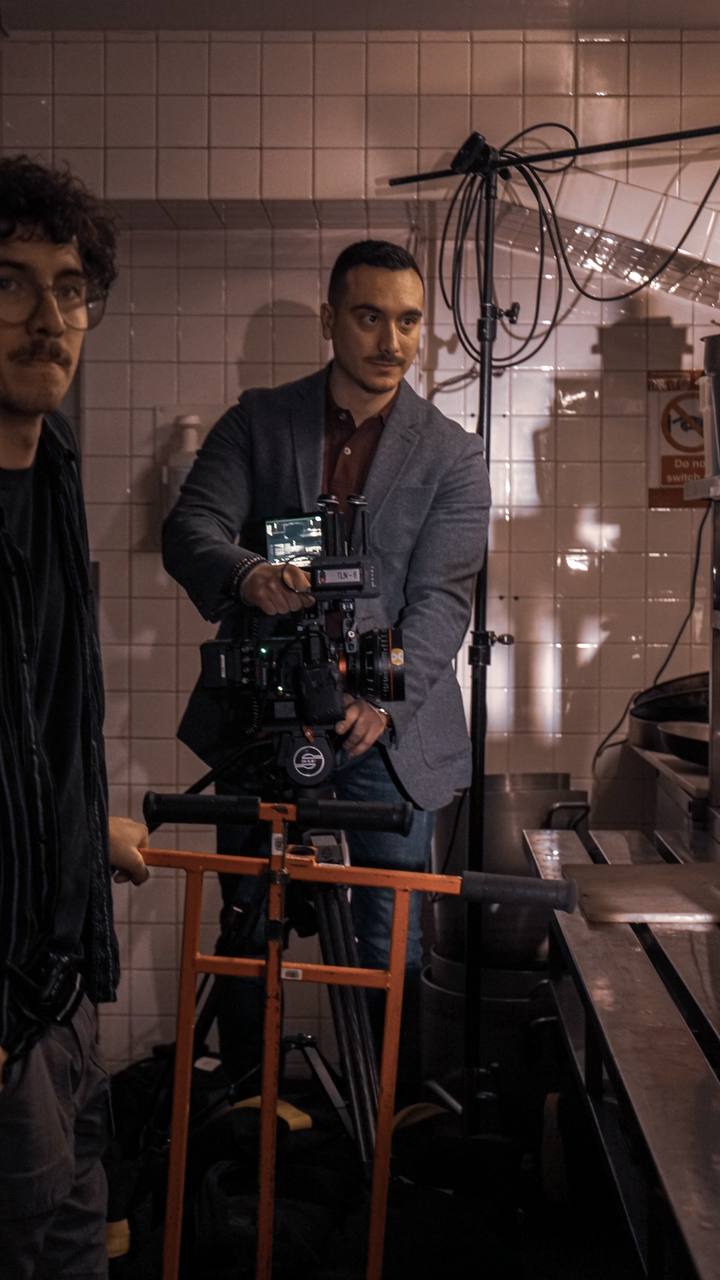
Italy. Two Cameras. One Historian.
When I got the call to shoot PADRE PIO — a feature documentary about the life of Saint Padre Pio — I knew this would be different from anything I'd done. We were filming in Italy. In the actual towns where he lived. In the monastery where Capuchin friars still walk the same stone floors they've walked for centuries. This wasn't a set. This was real.
Our crew was small. Two people — myself as cinematographer and one other. We brought a historian. That was it. For a documentary that would go on to win 15 awards, we ran it lean and mobile. And that turned out to be the right call.
The Towns
We filmed across multiple locations in Italy over the course of two weeks — San Giovanni Rotondo, Pietrelcina, Sant'Angelo, and Panni, a small town in Puglia where we met people who had firsthand accounts of Padre Pio's miracles. We also shot for a week in Montreal, conducting interviews that would form the backbone of the narrative.
Pietrelcina was striking. It's a town over a thousand years old, and walking through it felt like being on a film set — except every stone, every doorway, every narrow street was real. The town is remarkably well-preserved but carries an unmistakable aura of ancientness. You don't have to manufacture atmosphere in a place like that. You just have to not get in the way of what's already there.
The Monastery
We were given access that very few people get. The Capuchin friars of the monastery of Santa Maria delle Grazie in San Giovanni Rotondo guided us personally. They took us into Padre Pio's home, into the school where he studied, into the church where he began his ministry, and into the monastery where he lived for over 50 years.
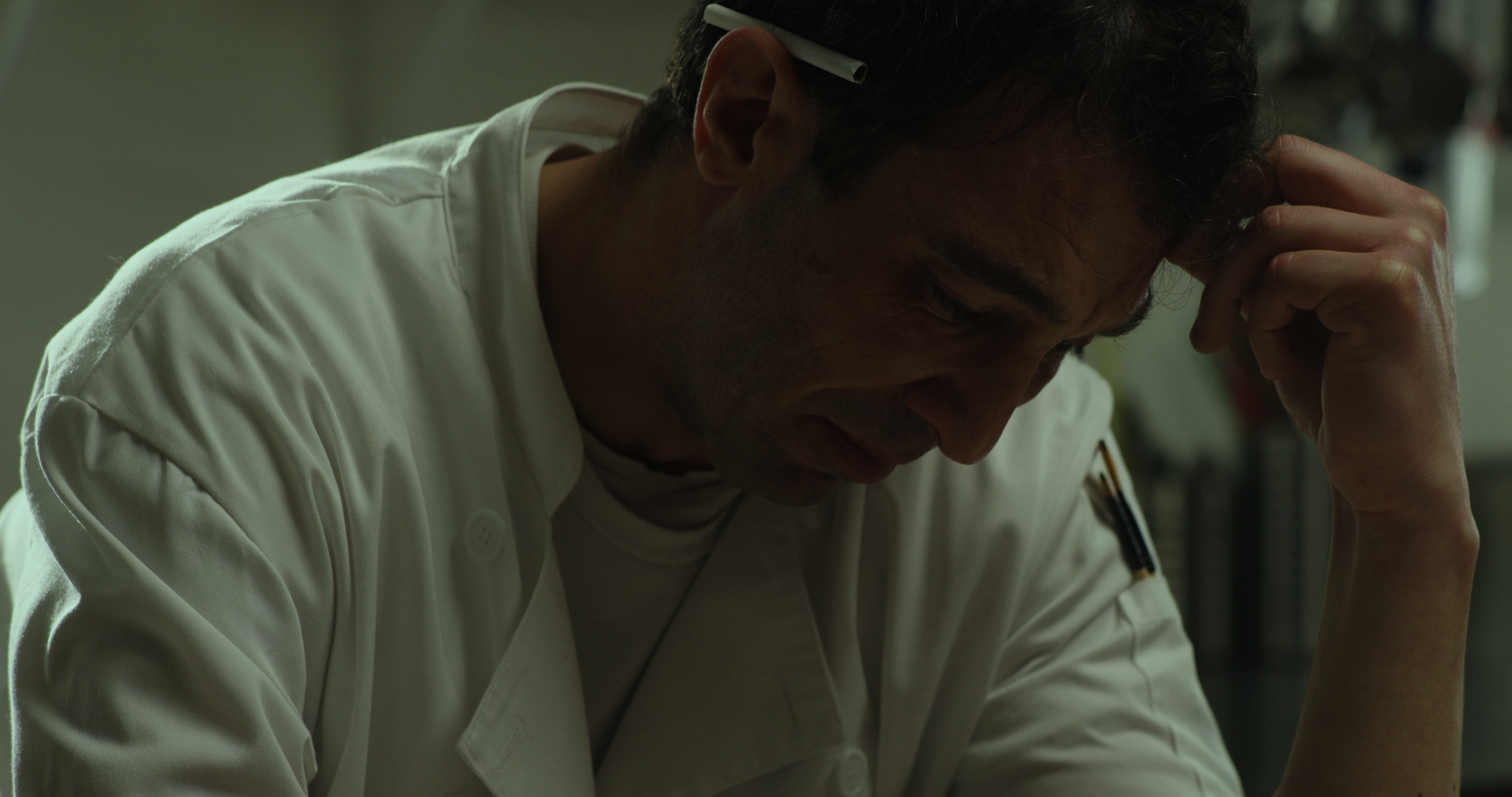
The monastery at night was something I'll never forget. Cinematic in the truest sense — shadows from candlelight, stone corridors that hadn't changed in centuries, silence that carried weight. The camera captured it, but honestly? It felt like the history was doing the work. I just had to frame it.
The monastery of Santa Maria delle Grazie, San Giovanni Rotondo
At one point, we were taken into the room where Padre Pio died. That room. The actual room. There's no lighting setup in the world that can create the feeling of standing there. You just try to be still and let the location speak.
We were also taken to a certain abbey — I'm not certain of the exact monastic order, whether Capuchin or Franciscan — but the monks there gave us a full pass, guided by the abbey's directors and our historian. They showed us different rooms, different areas. They trusted us with their history.
The Gear: Sony A7S II, Canon Glass, and a Gimbal on My Back
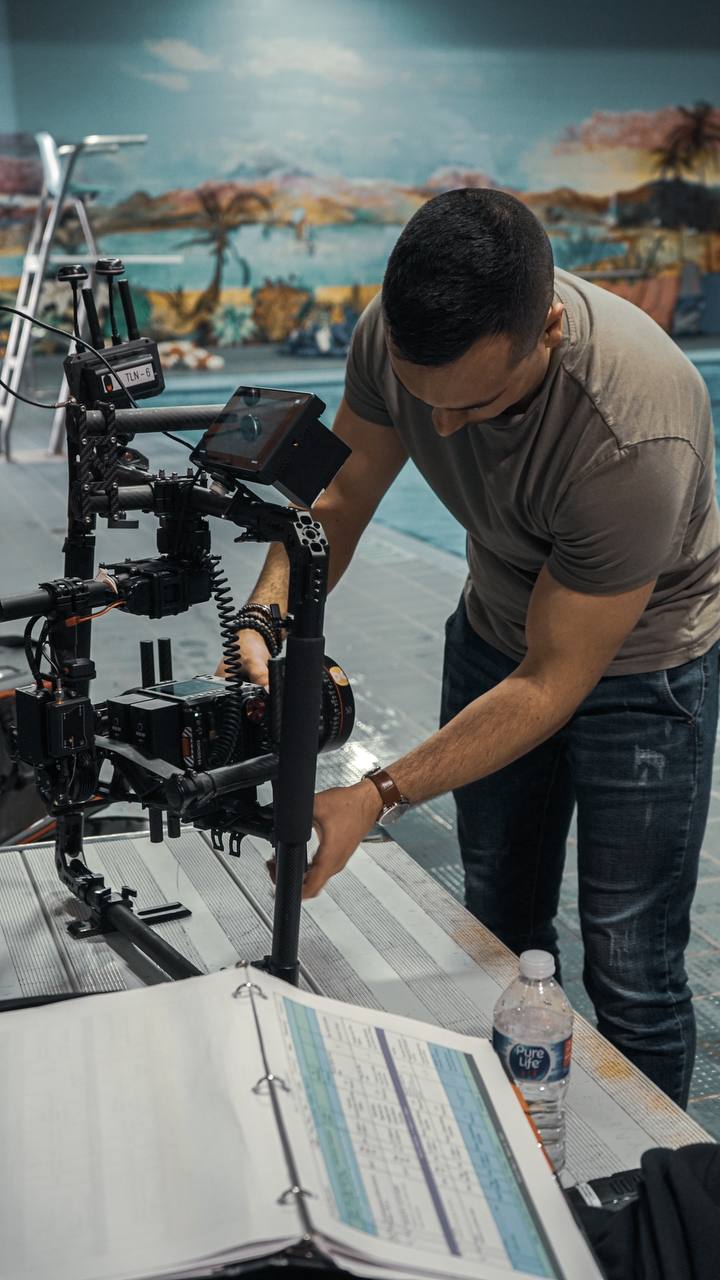
We shot PADRE PIO on a Sony A7S II with Canon L-series lenses. The setup was built for mobility — a tripod, two monopods that we could collapse and carry, and two cameras. Two bags full of lenses, batteries, and storage. I operated on a Movi M5 and M1 gimbal system — essentially a steady cam setup that let me move through those ancient streets and monastery corridors without shaking the frame apart.
One battery on the gimbal rig would last me about five to six hours of shooting — roughly half a day. I carried three batteries in my backpack and typically burned through two of them, recharging overnight at the hotel. Every evening, we transferred the footage, reset the batteries, prepped the gear, and did it all again the next morning.
The monastery and the old towns didn't need much artificial light. The natural light filtering through centuries-old windows, the candlelight in the chapels, the golden hour over Puglia — these were the lighting setups. When you're shooting in a place this ancient, the best choice is often to let the light be what it is.
The People
In Panni, a tiny town in Puglia, we sat down with people whose lives had been directly touched by Padre Pio. People he had performed miracles on. People who had been saved from life-threatening medical situations. These weren't stories passed down through generations — these were firsthand accounts from people who were there.
One woman showed us a very small piece of Padre Pio's shroud — acquired through a friend, she said. She told us that after receiving it, her friend's cancer was completely cured. You can be a documentarian and maintain journalistic distance, but when someone tells you that story while holding the artifact in their hands, you feel it.
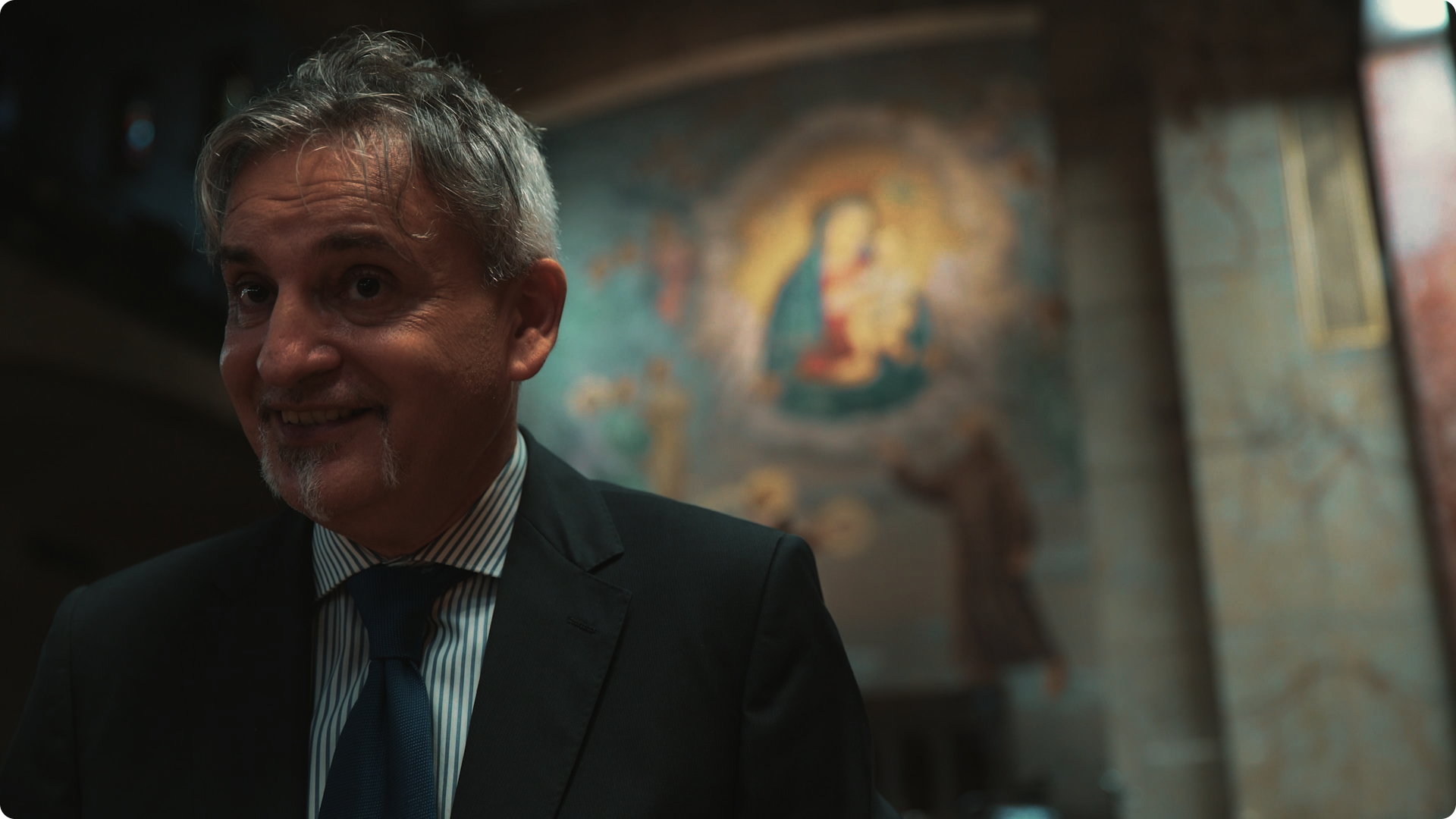
We interviewed people in Montreal as well — historians, devotees, people connected to the story through faith or scholarship. Those interviews were the third week of production, back home, filling in the gaps that the Italian footage couldn't cover on its own.
The Score
When I returned from the shoot, I composed the soundtrack immediately. I didn't wait. The experience was too fresh — the mystery of the man, the power of the locations, the way the people who knew him spoke about him. It was a mystery of love. He was beloved but powerful. Amicable but deeply respected. Converting that to sound was one of the hardest and most rewarding things I've done.
Some tracks capture his power. Some capture his mystery. Some try to hold both at once. The score went on to win awards, including Best Original Score, and looking back, I think it worked because I didn't try to compose a "religious" soundtrack. I tried to compose the feeling of standing in a thousand-year-old monastery at night, filming a story that was still alive in the people who told it to us.
What I Learned
PADRE PIO taught me that documentary cinematography isn't always about what you bring — it's about what's already there and whether you're capable of seeing it. We were a two-man crew with a Sony mirrorless and Canon glass. We didn't have a lighting truck or a camera department. What we had was access, preparation, and the willingness to let the location do the work.
The film won 15 awards and streamed internationally. But the thing I carry with me from that shoot isn't the awards for its score. But I think the music worked because I didn't try to compose a "religious" soundtrack.
"I tried to compose the feeling of standing in a thousand-year-old monastery at night, filming a story that was still alive in the people who told it to us."
What I carry from that shoot isn't the trophies. It's the memory of those monastery corridors at night, the thousand-year-old streets of Pietrelcina, and the people in Panni who shared their stories with us.
If you're producing a documentary — especially one that involves travel, remote locations, or access to places most people never see — I'd love to talk. This is the kind of work I live for.
Contact Skypan Pictures to discuss your documentary.
— Michael Franceschini, CSC Associate Cinematographer