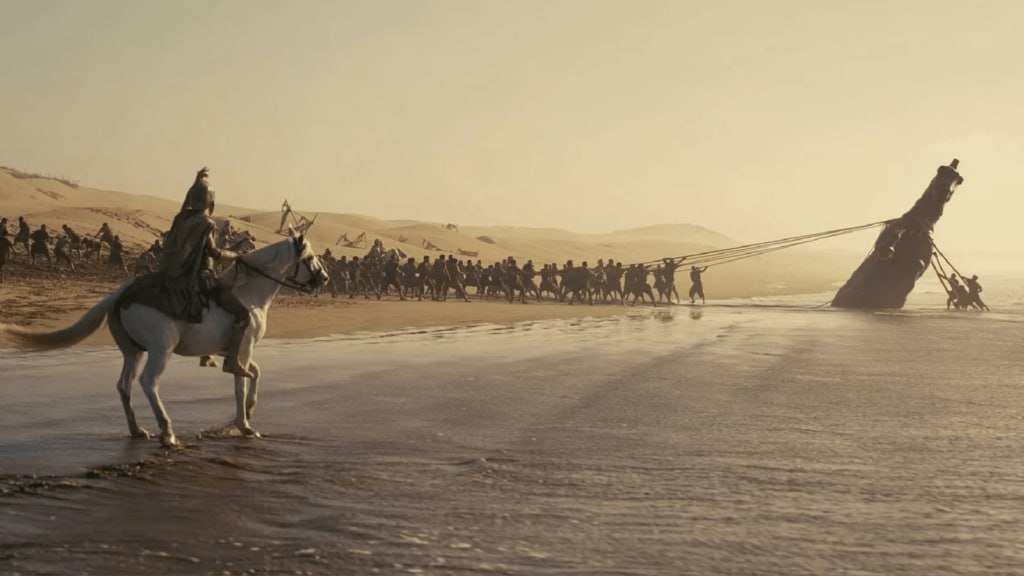
Hoyte van Hoytema just shot Christopher Nolan's The Odyssey across six countries in 91 days. Morocco. Greece. Italy. Iceland. Scotland. Western Sahara. No soundstages. No LED volumes. Real locations, real weather, real light. For anyone who has ever tried to control an image in an uncontrolled environment, the scale of that achievement is staggering.
The Detail That Matters
Here's what caught my attention: for the midnight raid of Troy sequence, van Hoytema rigged portable LEDs to match firelight color temperature. Not to overpower the fire. Not to replace it. To match it. That let Nolan shoot in any direction without waiting for traditional lighting setups to be repositioned. The lights became invisible — they felt like part of the world, not something the grip department hauled in.
That's the kind of thinking I recognize from documentary work. When you're moving through real locations, the lights have to disappear. They have to serve the place, not announce themselves. On PADRE PIO, shooting inside the Santa Maria delle Grazie monastery in San Giovanni Rotondo, there was no lighting grid. No generators. Just candlelight, window light, and the natural glow of stone corridors that hadn't changed in centuries. You work with what's there, and you make it feel intentional.
Van Hoytema's Approach
This is van Hoytema's fourth film with Nolan, after Interstellar, Dunkirk, Tenet, and Oppenheimer. Their collaboration has become one of the most consistent director-DP partnerships in modern cinema. Van Hoytema shoots on large-format film — 65mm and IMAX — which gives The Odyssey a texture and depth that digital still struggles to replicate at this scale.
But the real achievement here is the location work. Nolan has said he wanted to embrace the "physicality of the real world." He wanted the actors to feel the wind, the heat, the salt. You can't get that on a soundstage. The weather itself becomes a character — something every documentary cinematographer understands intimately.
What This Means for the Rest of Us
Most of us will never have a $160 million budget. But the principle van Hoytema demonstrated on The Odyssey translates directly to smaller productions: light the world, not the set. Use portable, flexible sources. Match existing light rather than fighting it. Let the location do the work.
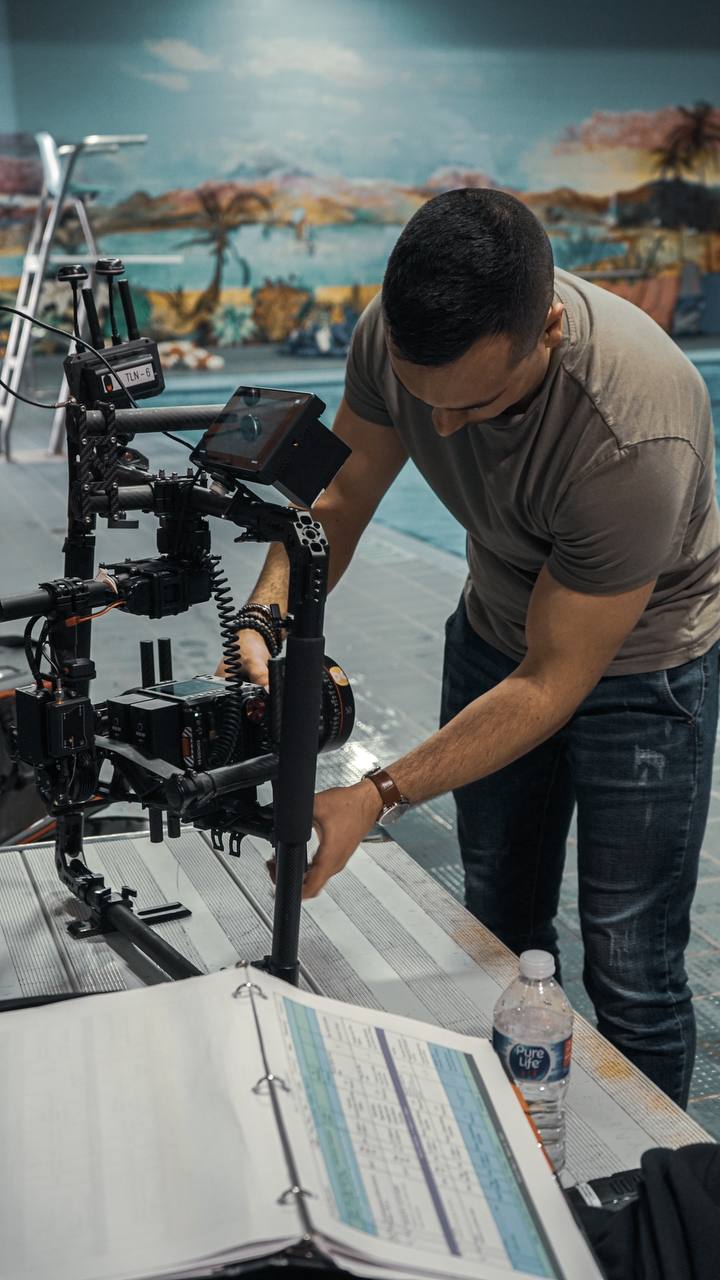
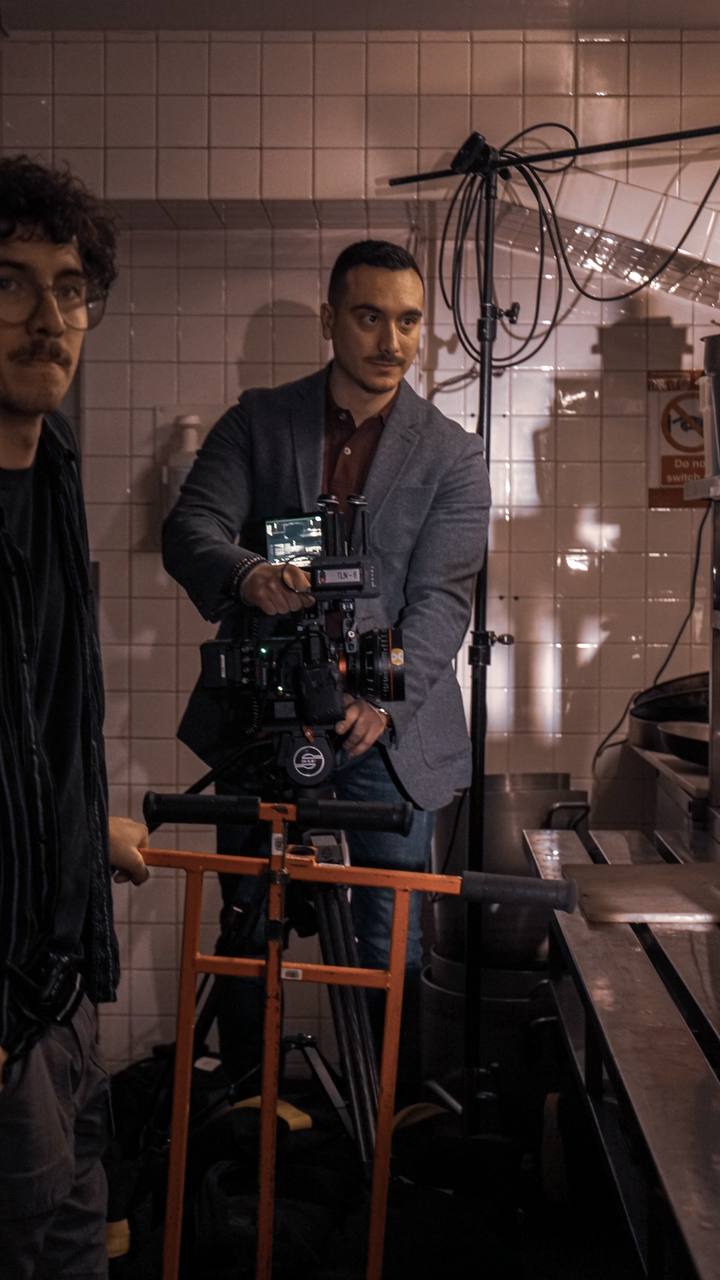
On WHIP CREAM, shooting a TV series with the Canon C50 and Contax Zeiss primes, I had an hour to an hour and a half to light each scene. Different locations every day. No pre-light days. The approach was the same — find the natural light in the room, augment it where needed, and never fight against what's already there. You don't need a lighting truck. You need to understand light.
The Odyssey opens July 17, 2026. Whether or not you care about Greek mythology, watch it for the cinematography. Watch how the light moves through those ancient landscapes. Watch how the camera makes you feel the journey. That's the craft.
— Michael Franceschini