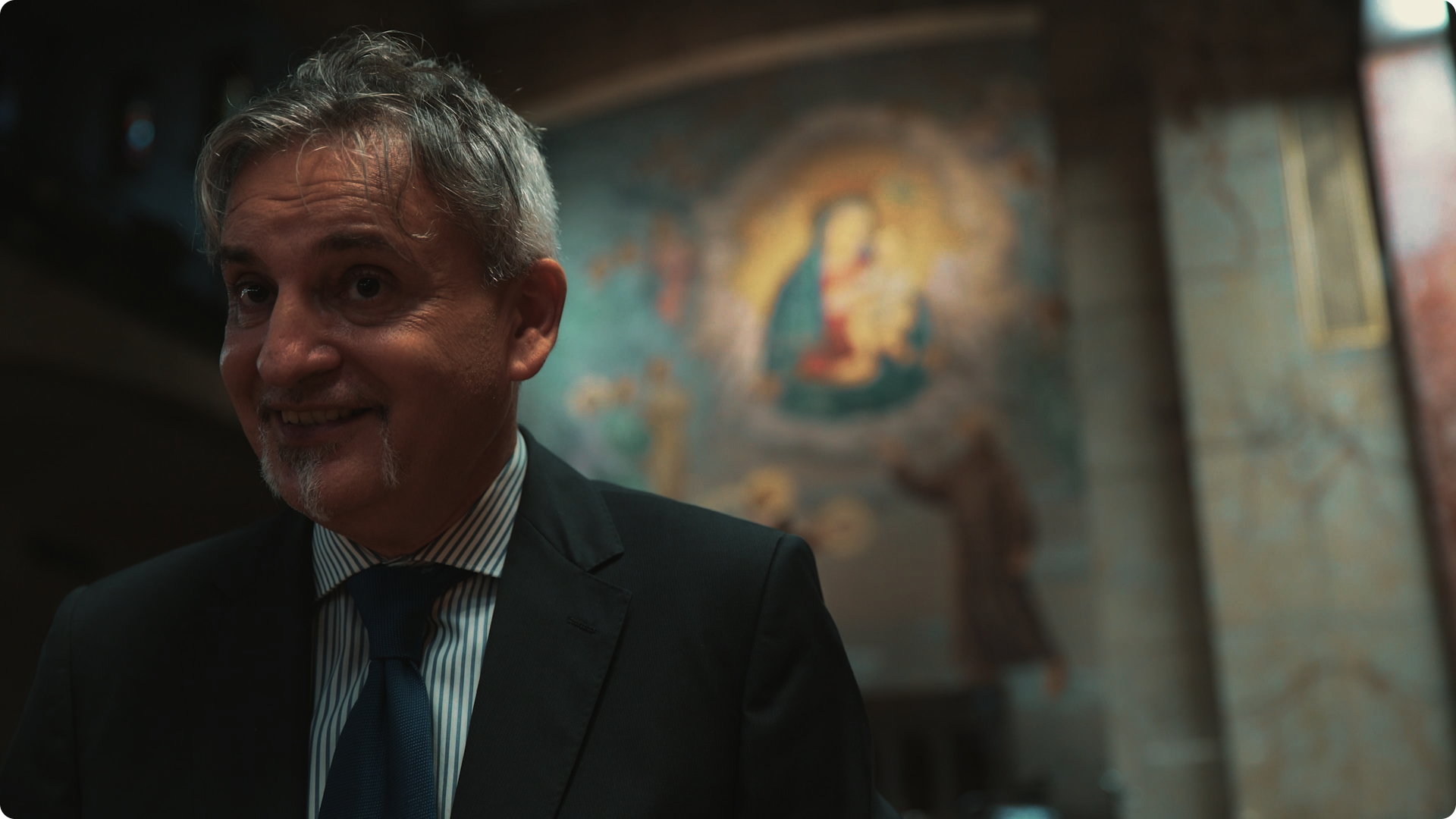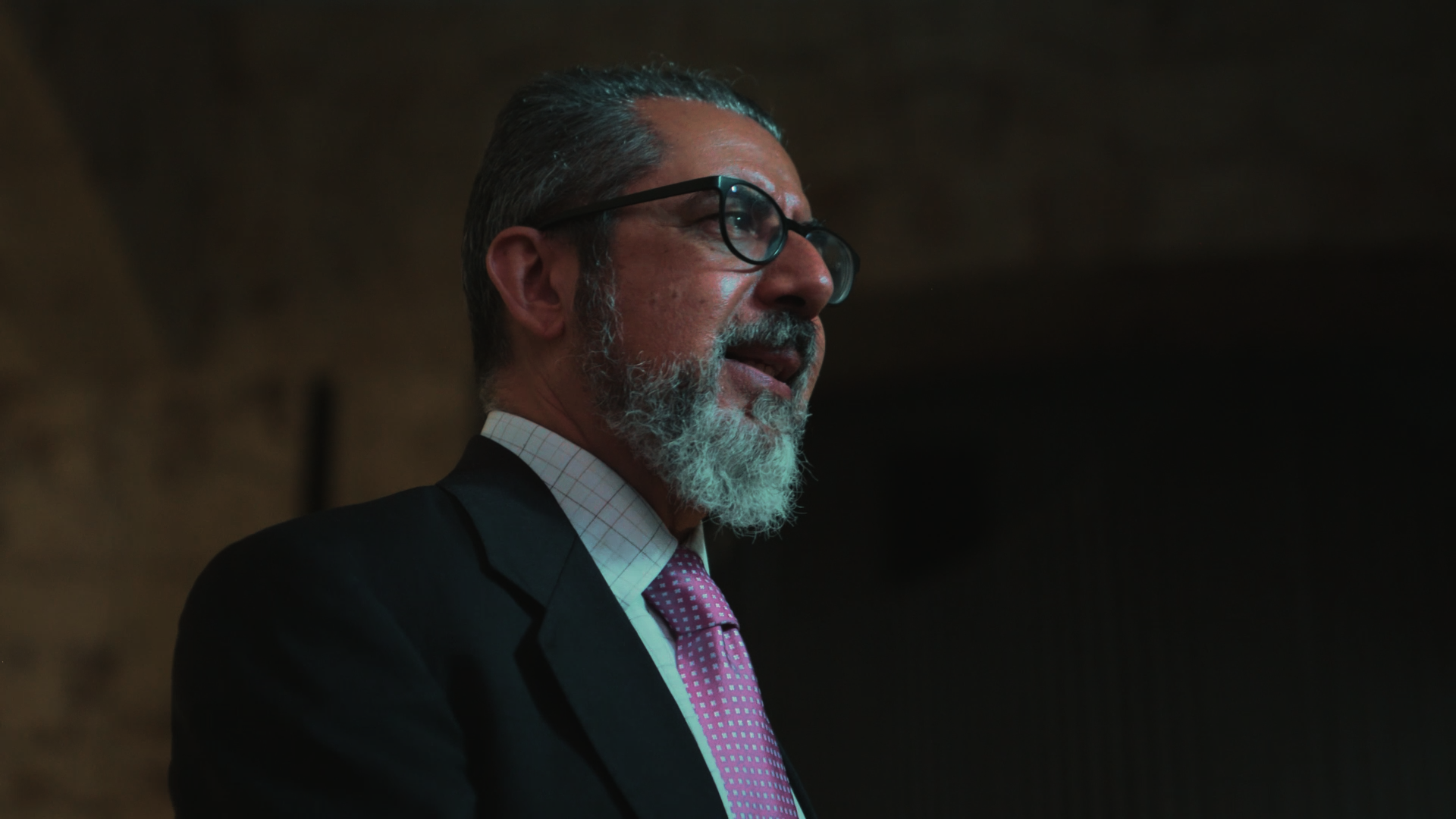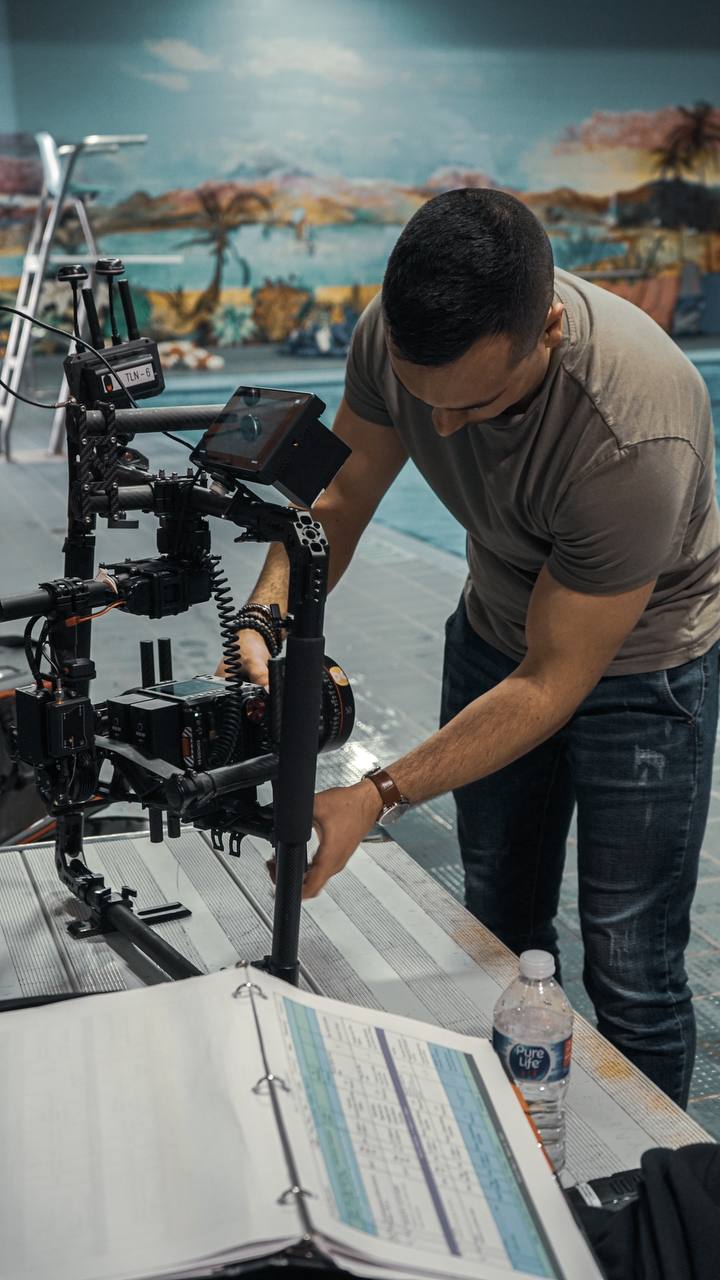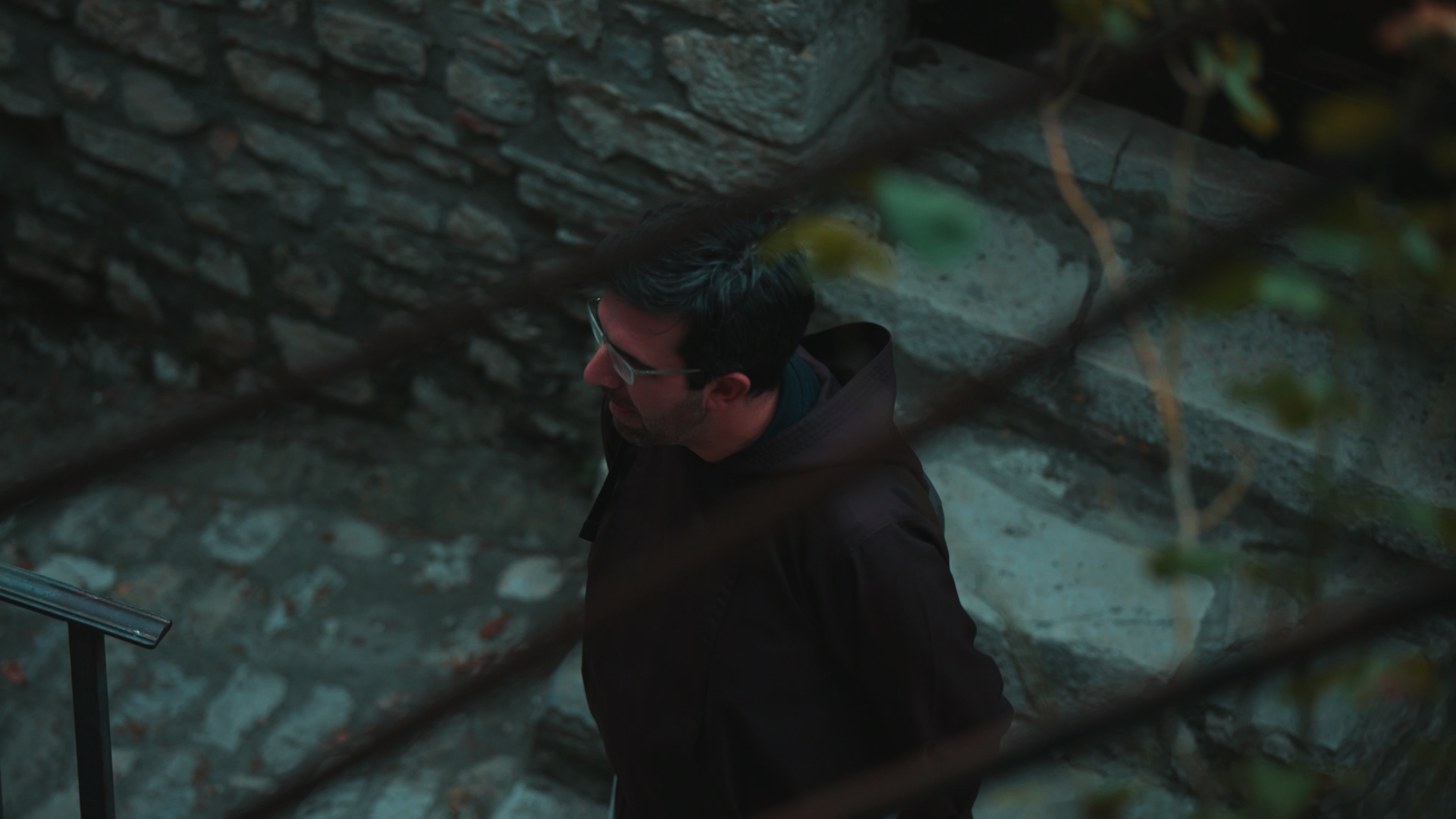
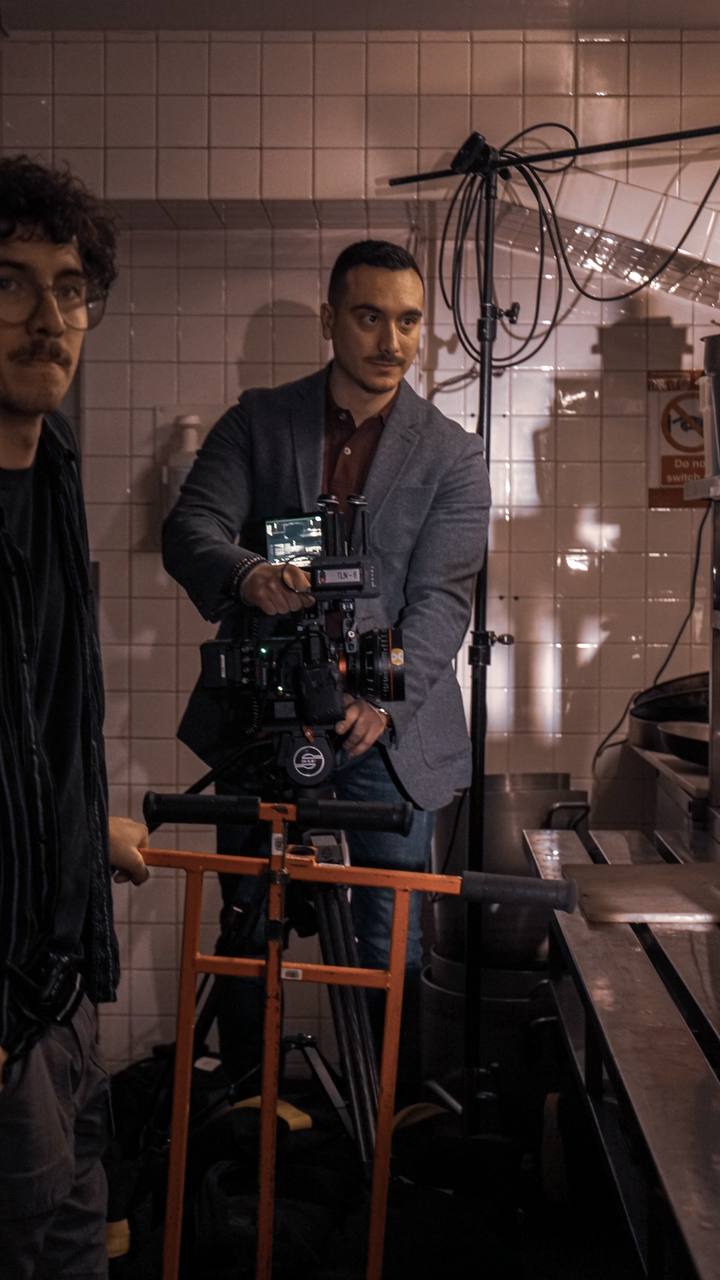
When we wrapped production on PADRE PIO, I had about 40 hours of footage across two cameras, shot across ten Italian towns and a week of interviews in Montreal. Two weeks of travel. One historian. And now, a hard drive full of moments that needed to become a film.
That transition — from production to post — is where documentaries are actually made. The shoot gathers the raw material. The edit finds the story.
The Moment Shooting Ends and Editing Begins
There's a strange silence that follows a documentary shoot. You've been moving for weeks — planes, trains, monastery corridors, interviews, gimbal rigs, battery swaps, data transfers in hotel rooms at midnight. And then it stops. You're home. You have all the footage. And you have to figure out what the film actually is.
On PADRE PIO, I spent the first week after returning from Italy doing nothing but watching footage. Not editing. Not organizing. Just watching. Taking notes on paper. Marking moments that made me feel something. The interview where a woman in Panni held a piece of Padre Pio's shroud and told us her friend's cancer was cured after receiving it. The monastery at night, lit only by candles. The thousand-year-old streets of Pietrelcina at golden hour.
You have to fall in love with the footage before you can be ruthless with it. And editing a documentary is ruthless. For every minute that makes the final cut, there's an hour that doesn't.
Finding the Story in the Footage
Documentary editing is different from narrative editing. In narrative, you have a script. You know what each scene is supposed to do. In documentary, the script is discovered in the edit. You're not arranging pre-written scenes — you're building the story from the ground up, and the story often isn't what you thought it was when you were shooting.
PADRE PIO had a clear subject — the life of a 20th-century Italian mystic. But the film's emotional arc came from something I didn't fully understand until I was deep in the edit: the tension between the public figure and the private man. The saint the world saw and the person the friars knew. Once I found that thread, the structure locked into place.
I edit in DaVinci Resolve. The workflow starts with organizing everything into bins — interviews, b-roll, drone footage, archival material. I create a rough assembly first, usually two to three times longer than the final film. No music, no color grade, no polish. Just the scenes in order, with the interviews carrying the narrative spine.
Then the real work begins. Tightening. Rearranging. Killing your darlings — those beautiful shots that don't serve the story, no matter how much you love them. A documentary editor has to be willing to cut anything, including footage that was difficult or expensive to get. The film is what matters, not the effort it took to capture it.
The Score and the Edit: A Conversation
I compose my own scores. That's not common — most directors hire a composer. But for me, scoring and editing are the same process. They feed each other.
On PADRE PIO, I started composing immediately after returning from the shoot. I didn't wait for a locked picture. The experience was too fresh — the mystery of the man, the power of those locations, the way people spoke about him. I wrote the first tracks while the edit was still rough, laying music against scenes to see what worked.
Some tracks made the edit better. They revealed the emotional rhythm of a scene that the visuals alone hadn't captured. Other tracks had to be rewritten completely because the edit changed and the music no longer fit. That's the conversation: the edit shapes the score, and the score shapes the edit. You go back and forth until both feel inevitable.
The PADRE PIO score went on to win Best Original Score at multiple festivals. But I don't think it won because the music was impressive. I think it won because the music and the picture were inseparable. They were built together, in the same room, by the same person, over months of iteration.
Why Montreal Is Where I Edit
I've edited films on the road — in hotel rooms, in borrowed offices, on laptops propped on equipment cases. It works in a pinch. But there's a reason I do all my post-production at Skypan Pictures in Montreal.
The city has a deep post-production infrastructure. Color grading suites, sound mixing facilities, VFX artists — everything you need is here. Montreal's film tax credits extend to post-production, which makes it financially viable for independent productions to do high-end finishing work locally instead of sending it to Toronto or Los Angeles.
But the real reason is simpler: this is home. The edit suite at Skypan is where I do my best work. Everything is set up the way I like it. The monitors are calibrated. The speakers are positioned. The coffee is three steps away. When you're spending 12 hours a day finding the film inside the footage, those small things matter.
We handle editing, color grading, sound design, and original scoring — all in-house. No outsourcing, no waiting on freelancers, no "we'll get that revision to you next week." When a producer calls with notes, I can turn changes around the same day because I'm sitting at the same workstation where the project lives.
That speed matters. Post-production schedules are always tighter than anyone planned. Being able to move fast without sacrificing quality is a competitive advantage, and it's one of the reasons clients keep coming back to Skypan Pictures.
If you're producing a documentary — or any film — and you need a post-production partner in Montreal who can handle the edit from rough cut to final delivery, I'd love to talk. We do picture, sound, color, and score under one roof.
Contact Skypan Pictures to discuss your project.
— Michael Franceschini, CSC Associate Cinematographer